Ask what the session includes
Ask about ball type, required protection and loan equipment. For a trial session, obtain the equipment list before buying anything.
Before your first practice.
If you are unsure what to get first, begin with the activities you will actually do. Slugger Nest introduces essential equipment and practical checks for players taking their first steps in baseball.
Explore the examplesThe pictured kits illustrate preparation and are not sale bundles. Images are references too. Actual items, specifications, prices, availability and purchase arrangements are unconfirmed: enquire by email. Buying and paying are not possible on this site.

SELECTION FIELD GUIDE
Ask about ball type, required protection and loan equipment. For a trial session, obtain the equipment list before buying anything.
Consider glove fit, posture while handling a bat and helmet stability separately. Prioritise present fit and movement rather than choosing oversized equipment in the hope it will last longer.
Check whether the player can carry the loaded bag and keep the bat separate from other items. Allow space for clothing and drinks while considering how the equipment is protected.
CATALOGUE NOTES
Catch, batting and team sessions call for different equipment. Before assembling everything at once, ask your team about loan equipment and planned activities. The kit examples here explain a way to prepare; they are not confirmed bundles for sale. Images are illustrative too. Ask about actual items, prices and availability before making a purchasing decision.
EQUIPMENT / ENQUIRIES
The pictured kits illustrate preparation and are not sale bundles. Images are references too. Actual items, specifications, prices, availability and purchase arrangements are unconfirmed: enquire by email. Buying and paying are not possible on this site.

01 / ILLUSTRATIVE ITEM
A reference pairing for thinking about batting practice. Check bat weight and length, ball type and the categories permitted at the practice location.
Ask about this category by email ↗
02 / ILLUSTRATIVE ITEM
An example focused on fit for first catching sessions. Look beyond age to wrist fit, the ability to close it and which hand wears it.
Ask about this category by email ↗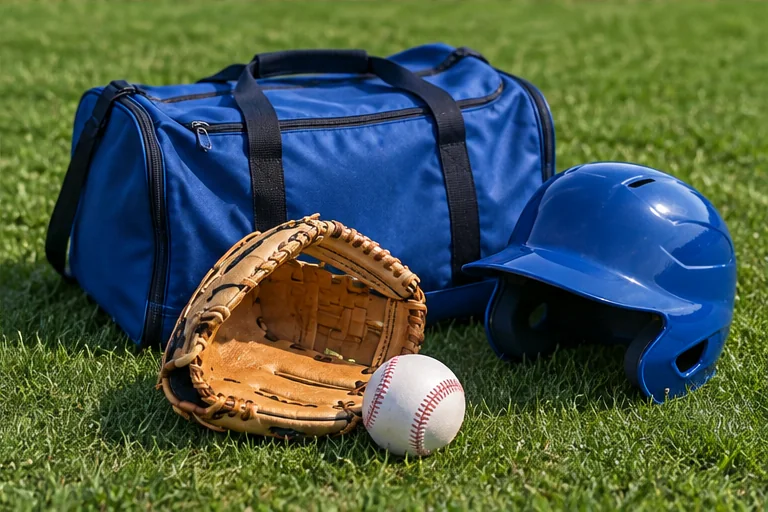
03 / ILLUSTRATIVE ITEM
An example considering a glove, ball, helmet and storage together, not a sale bundle. Ask the team which items are needed and check protective fit and instructions individually.
Ask about this category by email ↗It depends on the session. Read the organiser’s equipment list and ask about loans first. This site helps you think through need and fit rather than prescribing a number of purchases.
Age is only one reference. Hand size, strength, height and activities vary. Check dimensions and intended users, and where possible assess fit and movement with a coach.
The kits are examples for planning, without confirmed sale contents or prices. Email the items and activities you have in mind to ask whether specific information can be provided.
FIT / MATERIAL / USE
Hardballs, rubber balls and training balls are not necessarily interchangeable. Check the intended game category for gloves and bats as well. These photographs do not identify a category or certification, so rely on actual specifications. Have a coach help with unfamiliar protective equipment and avoid continuing to use damaged or poorly fitting items.
Do not leave equipment damp with sweat or rain inside a closed bag. Remove dirt and dry each item according to its material instructions before storing it. A quick look at glove laces, bat surfaces and protective fasteners before practice can help you notice wear.
CONTACT / NEXT STEP
Tell us what kind of session you are preparing for and what equipment you already have. You can ask about items without providing unnecessary personal details such as a full name or precise age.
Enquire by email ↗Owner: Aguiriano AntonyThe address is reproduced as supplied.
The fields help you list equipment types and questions. Continuing sends no email; it only opens a static instruction page. GET leaves entries in the URL, so keep names, other personal details and confidential content out. Deliver an enquiry by sending a separate email.